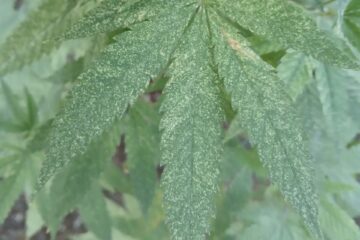
What Is Cannabis IPM?
Cannabis IPM stands for Integrated Pest Management. It is the process of controlling pest populations during a cannabis grow cycle while protecting the crop, the environment and the end user.
A proper Cannabis IPM program combines different control methods that work together to suppress pests and diseases. These methods include:
- Mechanical control like sticky traps and defoliation
- Biological control through predatory insects and beneficial fungi
- Cultural control like sanitation and environmental management
- Chemical control through pesticides and fungicides
- Genetic control like resistant plant varieties
The goal of Cannabis IPM is not to create a sterile grow room. That is unrealistic. The goal is to keep pest numbers low enough that the crop finishes without major damage.
That is why Cannabis IPM should never be treated like a once-off fix. It is a system built around prevention, monitoring and control. Think of it as insurance for your crop.
Understanding Pest Status in Cannabis IPM
Pest status describes the current pest pressure inside a grow space. This includes:
- Pest species present
- Pest life-cycle stage
- Beneficial insect to pest ratio
- Current crop damage
This information helps growers decide on the best Cannabis IPM strategy. The pest life-cycle matters because some predators target eggs and nymphs while others attack adults. Timing is important. The beneficial-to-pest ratio also matters. If beneficial insects already control the problem and crop damage remains low, spraying chemicals may create more problems than solutions. Correct pest identification is one of the most important parts of Cannabis IPM. Read our guide on Cannabis Pests – Identification Guide to assist in your grow.
The Economic Benefit
Every Cannabis IPM decision should make economic sense.
Growers should compare:
- The cost of treatment
- The potential crop losses if nothing is done
If treatment costs less than the expected damage, then control measures make sense. If treatment costs more than the expected losses, intervention may not be needed. This approach helps growers avoid panic spraying and unnecessary pesticide use.
Cannabis IPM for Clones
Clones and incoming plant material often introduce pests into grow rooms. For this reason, I recommend dipping clones before they enter a cultivation space or before they leave for a client. Different products can work for clone dipping, but my preferred combination is Bio-Neem and Copper Soap.
DM the words “Clone Dip” at Happy Harvest Instagram for dosage information and procedure.
Cannabis IPM During Vegetative Growth
The vegetative stage is where success can be lined up as prevention works better than cure. During VEG, growers can still use preventative sprays because flowers have not formed yet. I prefer combining mechanical control through sticky traps with preventative spray programs. My preferred combination is Bio-Neem and Copper Soap.
Bio-Neem acts as both a contact and residual insecticide. It works well for pest prevention and also offers anti-fungal properties that may help suppress mould and mildew.
Copper Soap provides fungal control. When used correctly, copper-based products are usually less disruptive than many broad-spectrum fungicides.
These products also mix well together. Both improve spray coverage by helping the solution spread evenly across foliage. Monitoring should also form part of every Cannabis IPM program.
Inspect plants regularly. Check both sides of leaves for:
- Feeding damage
- Eggs
- Webbing
- Pest activity
- Leaf discoloration
Early detection gives cultivators the best chance of successful control. Environmental management also plays a major role in Cannabis IPM. Poor airflow, excess humidity, dirty grow spaces and overwatering can all increase pest and fungal pressure.
Cannabis IPM During Flowering
Cannabis IPM becomes more difficult during flowering because sprays can leave behind residues, aromas or contaminants on flowers. Plants usually start flowering around two weeks into bloom. This is when I stop preventative chemical spraying and switch to biological control methods.
Biological control through predatory insects and insect-killing fungi leaves no harmful residues when used correctly. This makes biological control far better suited for flowering cannabis plants. The downside is that biological control often works slower than conventional pesticides and depends heavily on environmental conditions.
Cannabis plants stretch aggressively during early flower before slowing around day 21. This is the perfect time to defoliate plants.
Defoliation is a mechanical Cannabis IPM technique that helps:
- Reduce pest habitat
- Improve airflow
- Lower humidity pockets
- Reduce fungal pressure
- Improve biological control performance
Avoid heavy late-flower spraying unless absolutely necessary. Excess moisture trapped inside dense flowers can increase mould risk. After defoliation, I recommend two weekly applications of the following biological products during days 21 and 28 of flower.
AQ-sf
AQ-sf is a local soil-borne fungus parasitic to powdery mildew. It works best as a preventative treatment rather than a cure. AQ-sf remains safe for us and to use until harvest.
Bio-insek
Bio-Insek contains two species of soil-borne fungi that parasitize insects. It is also safe for humans and to use until harvest.
Now is the perfect time to release predatory insects.
If pests already exist inside the grow room, release predators that specifically target those pests. I also recommend introducing additional predator species as a preventative measure. Repeat predator releases may help reduce risk and improve long-term control. Monitoring should continue throughout flowering to catch infestations before populations explode.
Environmental conditions also affect biological control performance. Excess heat, poor airflow and low humidity can reduce how well beneficial organisms perform. Our guide on Predatory Mites For Cannabis will give you further info on the topic.
Conclusion
A successful Cannabis IPM program combines prevention, monitoring, environmental control and targeted treatment. No single method can fully protect a cannabis crop on its own. Relying on only one solution creates weak points inside the grow room.
Strong Cannabis IPM programs use multiple control methods together to keep pest populations below damaging levels throughout the cultivation cycle. Start your Cannabis IPM program before pests appear, not after the infestation begins.
Contact us for help with your IPM program should you need assistance.